Is Your Home's Siding Trying to Tell You Something? Key Signs It's Time for a Replacement
Your home's siding is more than just a pretty face; it's the first line of defense against everything our Missouri climate throws at it. From the intense summer sun to sudden pop-up storms and winter ice, your siding works tirelessly to protect your home's structure, keep your family comfortable, and maintain your property's value. But just like any other part of your home, it has a lifespan. Ignoring the warning signs of failing siding can lead to costly, complex problems down the road.
Many homeowners in the Kirksville area don't realize their siding is in trouble until significant damage has already occurred. Understanding the subtle (and not-so-subtle) clues can save you from headaches like water damage, pest infestations, and skyrocketing energy bills. In this guide, we'll walk you through the critical signs that indicate your siding needs immediate attention and why a timely replacement is one of the smartest investments you can make in your home.
1. Cracks, Warping, and Bubbling
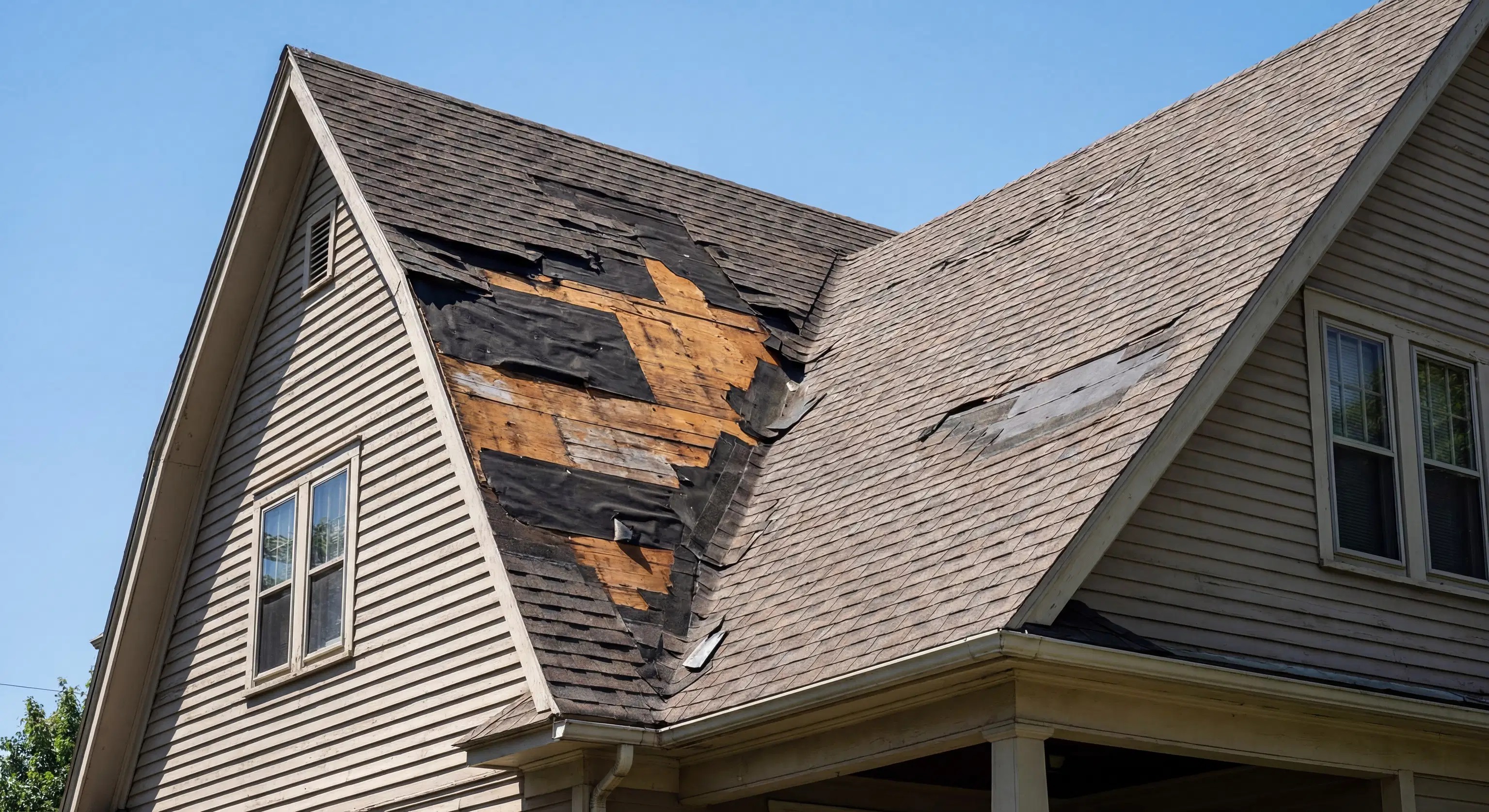
One of the most straightforward signs of siding failure is visible damage. Take a walk around your house and look closely at the panels. Do you see any of the following?
- Cracks and Breaks: Small cracks might seem minor, but they are entry points for moisture. Severe weather, impacts from hail, or simple aging can cause siding to become brittle and break. These breaches compromise the protective barrier of your home.
- Warping and Bubbling: Siding panels that are bent, bulging, or bubbling are a serious red flag. This often indicates that water has gotten trapped behind the siding, or that there's an issue with heat exposure. Warped panels not only look bad but also create gaps that expose the underlayment to the elements.
- Dry Rot: For homes with wood siding, dry rot is a major concern. This fungus eats away at the wood, causing it to become soft, brittle, and crumble. Poke any suspicious-looking spots gently with a screwdriver. If the wood is soft and gives way easily, you're likely dealing with rot that needs to be addressed immediately to prevent it from spreading to your home's framing.
2. Signs of Moisture Damage Inside and Out
Your siding's primary job is to keep water out. When it fails, the evidence often shows up where you least expect it. Moisture intrusion is a silent problem that can lead to significant structural issues and unhealthy living conditions.
Be on the lookout for mold, mildew, or fungus growing on the siding, particularly in shaded, damp areas. While some surface mildew can be cleaned, extensive growth can indicate that moisture is being trapped in or behind the panels. An even more alarming sign is evidence of water damage inside your home. Peeling paint or sagging wallpaper on interior walls can be a direct result of water seeping through compromised siding. This is a clear signal that the problem has moved beyond cosmetic and is now affecting the core of your home.
3. Fading Color and Rising Energy Bills
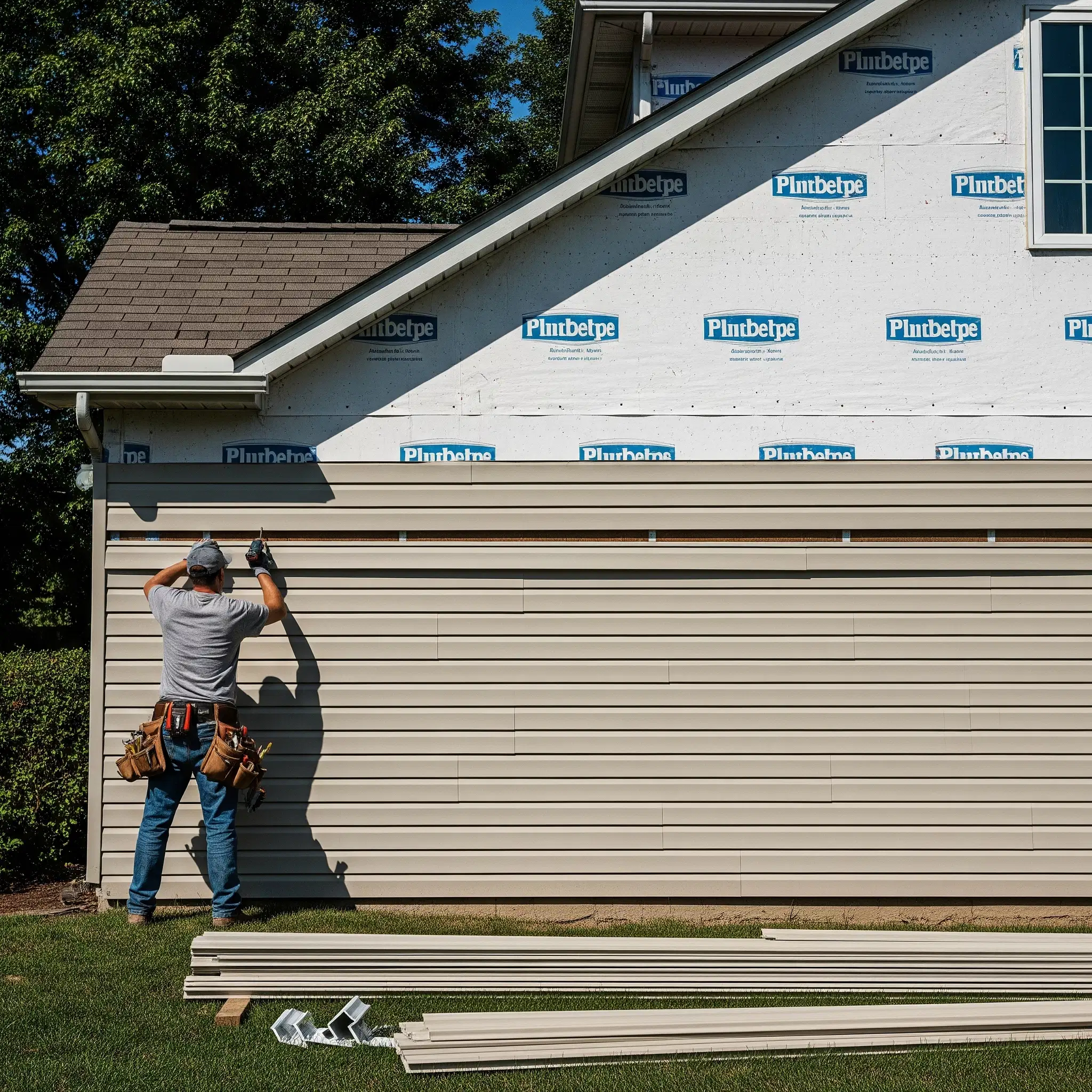
Have you noticed your home's vibrant color looking dull and faded? While some fading over many years is normal, significant color loss indicates that the siding's weatherproofing finish has worn away. This leaves the siding material itself more vulnerable to damage from sun and rain. If you find yourself having to repaint your home every few years, it's often more cost-effective in the long run to invest in modern, low-maintenance siding.
Another hidden sign of failing siding is an unexpected increase in your heating and cooling costs. Old or damaged siding can have cracks, gaps, and poor insulation properties, allowing conditioned air to escape and outside air to get in. This forces your HVAC system to work overtime to maintain a comfortable temperature. Upgrading to a modern, properly installed siding system can significantly improve your home's energy efficiency and lower your monthly utility bills.
4. Don't Forget the Gutters
A healthy exterior is a complete system. Your siding and gutters work together to manage water and protect your home. Clogged, leaking, or improperly installed gutters can cause water to overflow and run directly down your walls. This constant exposure to moisture can accelerate the deterioration of your siding, leading to water damage, rot, and staining.
When considering a siding replacement, it's the perfect opportunity to evaluate your gutter system. Ensuring you have properly functioning gutters is crucial to maximizing the life and performance of your new siding. A seamless, well-maintained gutter system will effectively channel water away from your home's foundation and siding, providing comprehensive protection.
Protect Your Investment with a Local Expert
Noticing any of these signs can be concerning, but taking action quickly is the key to protecting your home's long-term health and value. While it might be tempting to patch a problem here or there, these are often symptoms of a larger issue that a full replacement will solve more effectively and economically over time. It's important to work with a trusted local company that understands our regional challenges and won't disappear after the work is done—unlike the 'storm chasers' that often show up after severe weather.
If you believe your siding is failing, don't wait for a small issue to become a major expense. The team at SB Roofing Solutions is here to help. We provide thorough inspections and honest assessments for homeowners throughout the Kirksville community. Contact us today to schedule a free, no-obligation consultation for your siding replacement or gutter installation needs. Let us help you restore your home's beauty and fortify its defense for years to come.