
Fixing Roof Leaks Around Your Chimney: A Homeowner's Guide
It happens fast. You are enjoying a quiet evening listening to a sudden Missouri downpour, and then you see it—a steady drip coming from the ceiling right near your fireplace. Discovering a roof leaking around your chimney can be incredibly stressful, and if left untreated, it can lead to significant water damage, structural decay, and even mold inside your home.
For homeowners in Kirksville and the surrounding NEMO region, severe seasonal weather is simply a fact of life. From heavy spring rainstorms to intense summer hail and freezing winter snow, your roofing system takes a continuous beating. Because the chimney creates a large, structural penetration right through your roof deck, it is naturally one of the most vulnerable points on your entire home.
At SB Roofing Solutions, we receive countless calls from homeowners dealing with this exact issue. Let's explore exactly why this happens, how to identify the source of the problem, and the right way to fix it permanently.
Why Roof Leaks Around Chimney After Rain
Understanding why roof leaks around chimney after rain requires a quick look at how your chimney is integrated into your roof. To keep water out, chimneys rely on a specialized waterproofing system, primarily made up of metal flashing, mortar, and roofing underlayment. When a leak occurs, it usually comes down to a failure in one of these key areas.
The most common culprit is a failure in the flashing. Flashing is a layered metal system designed to create a watertight seal between the rigid chimney base and the flexible surrounding shingles. Over time, extreme temperature fluctuations, high winds, and heavy hail can cause this metal to warp, rust, or physically pull away from the brickwork.
Another frequent issue lies in the masonry itself. The mortar joints between the bricks can deteriorate over the years. When mortar cracks or crumbles, wind-driven rain can easily seep directly through the porous brick structure and into your attic. Similarly, the chimney crown—the concrete cap sitting at the very top of the chimney—can develop hairline cracks that allow water to enter the flue or the structural walls.
Finally, if your chimney is particularly wide and sits on a sloped section of the roof, debris like leaves and twigs can accumulate behind it. Without a proper 'cricket' (a small, peaked roof built right behind the chimney to divert water), water can pool in this area, eventually working its way under your shingles.
How to Inspect Damaged Chimney Flashing
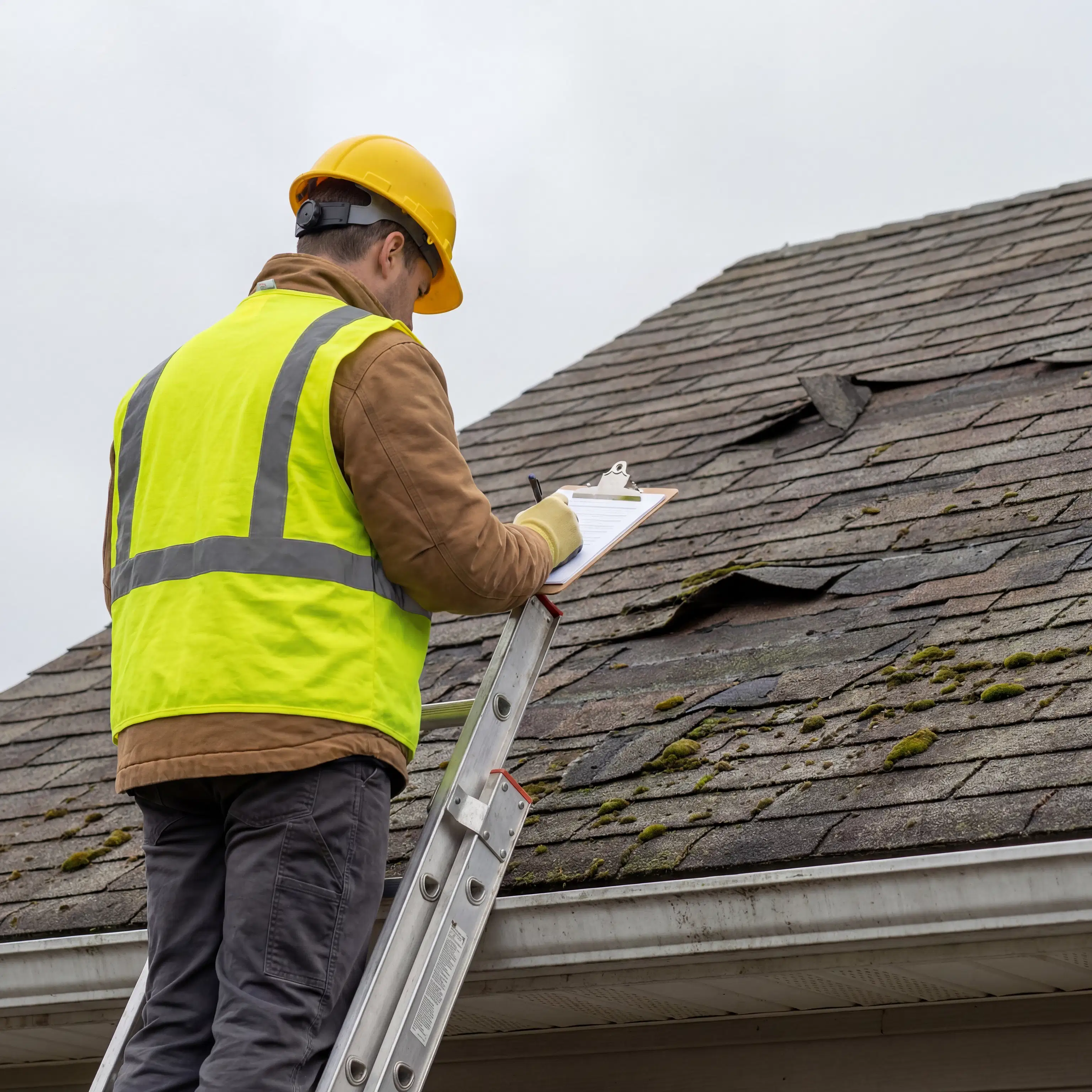
After a severe weather event rolls through Adair County, it is always a smart idea to check your property for damage. But how to inspect damaged chimney flashing safely?
First, we highly recommend starting your inspection from the ground or from the inside of your home. Head up to your attic with a flashlight during the day. Check the wood decking directly surrounding the chimney structure for dark water stains, dampness, or daylight shining through from the outside. Inside your living space, check the ceiling and walls near the fireplace for bubbling paint or yellowing stains.
If you choose to look from the outside, grab a pair of binoculars and scan the base of the chimney from your yard. Look to see if the metal strips around the base look lifted, heavily rusted, or if any pieces appear to be missing entirely. You might also notice missing or damaged shingles directly adjacent to the chimney base.
Getting up on a steep, potentially slippery roof can be extremely dangerous without the right training and safety harnesses. If you suspect an issue, it is always best to call a professional for a comprehensive inspection. At SB Roofing Solutions, we utilize modern drone technology to safely and accurately inspect hard-to-reach areas. This is especially helpful if you think you might need storm damage restoration and require detailed documentation to assist with a homeowners insurance claim.
Repairing Roof Leaks Around Flashing and Vents
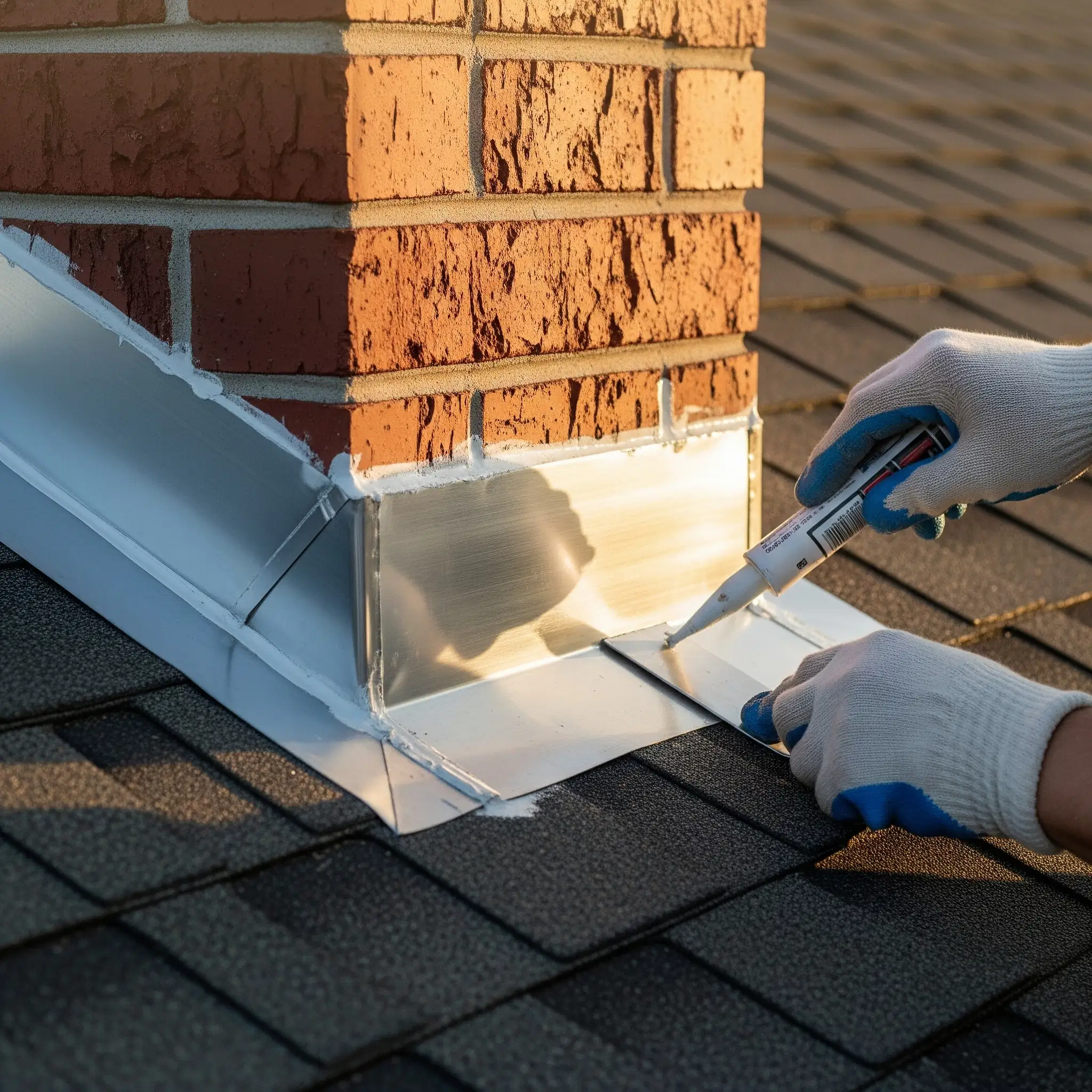
When it comes to repairing roof leaks around flashing and vents, precision and high-quality materials are essential. A quick layer of roofing cement or caulk might stop a minor drip for a few weeks, but it is never a permanent solution against our volatile Midwestern weather patterns.
A proper, long-lasting repair usually involves carefully removing the surrounding shingles to expose the roof deck. From there, your roofer will replace the step flashing—the L-shaped metal pieces that are intricately woven between each layer of shingles. Next, a new counter-flashing must be installed. This piece is physically embedded or cut directly into the chimney's mortar joints and folded down over the step flashing to ensure water naturally sheds away from the vulnerable seam.
It is vital to work with an established, local contractor for these types of specialized repairs. After a major storm, out-of-state crews and 'storm chasers' often flood the area offering quick fixes and aggressive sales pitches. Unfortunately, we've seen too many homeowners left with subpar work, unresolved leaks, and voided warranties when these temporary companies pack up and leave town. Choosing a local team with a physical presence ensures you have someone who understands the local climate and will stand by their workmanship for years to come.
Protect Your Home with SB Roofing Solutions
A leaking chimney is more than just a nuisance; it is a threat to your home's structural integrity. Addressing these leaks promptly with durable, weather-resistant materials and professional craftsmanship is the absolute best way to protect your property value and your peace of mind.
Whether you are dealing with a minor flashing leak or you need comprehensive roofing replacement and repair, SB Roofing Solutions is here to help. We pride ourselves on offering fair, transparent pricing, flexible financing options, and reliable service to our community. If you are worried about the condition of your chimney, roof vents, or shingles, contact us today to schedule a thorough inspection. Let our experienced team keep your home safe, dry, and secure through every season.