
Defending Your Roof's Fascia and Soffits Against Missouri Moisture
When you think about the health of your roof, your mind probably jumps straight to the shingles. That makes perfect sense, especially given the severe weather we experience here in Kirksville, from heavy spring rains and high winds to heavy winter snows that leave ice accumulating on your eaves. However, the true unsung heroes of your roofing system are found right at the edge: your fascia and soffits. These essential components play a critical role in keeping your home dry, ventilated, and structurally sound.
If you have ever wondered how to protect these vital areas from rot and moisture, you are in the right place. At SB Roofing Solutions, we want to help you understand how your roof works as a complete system, so you can make informed decisions, navigate maintenance with confidence, and avoid costly structural damage down the line.
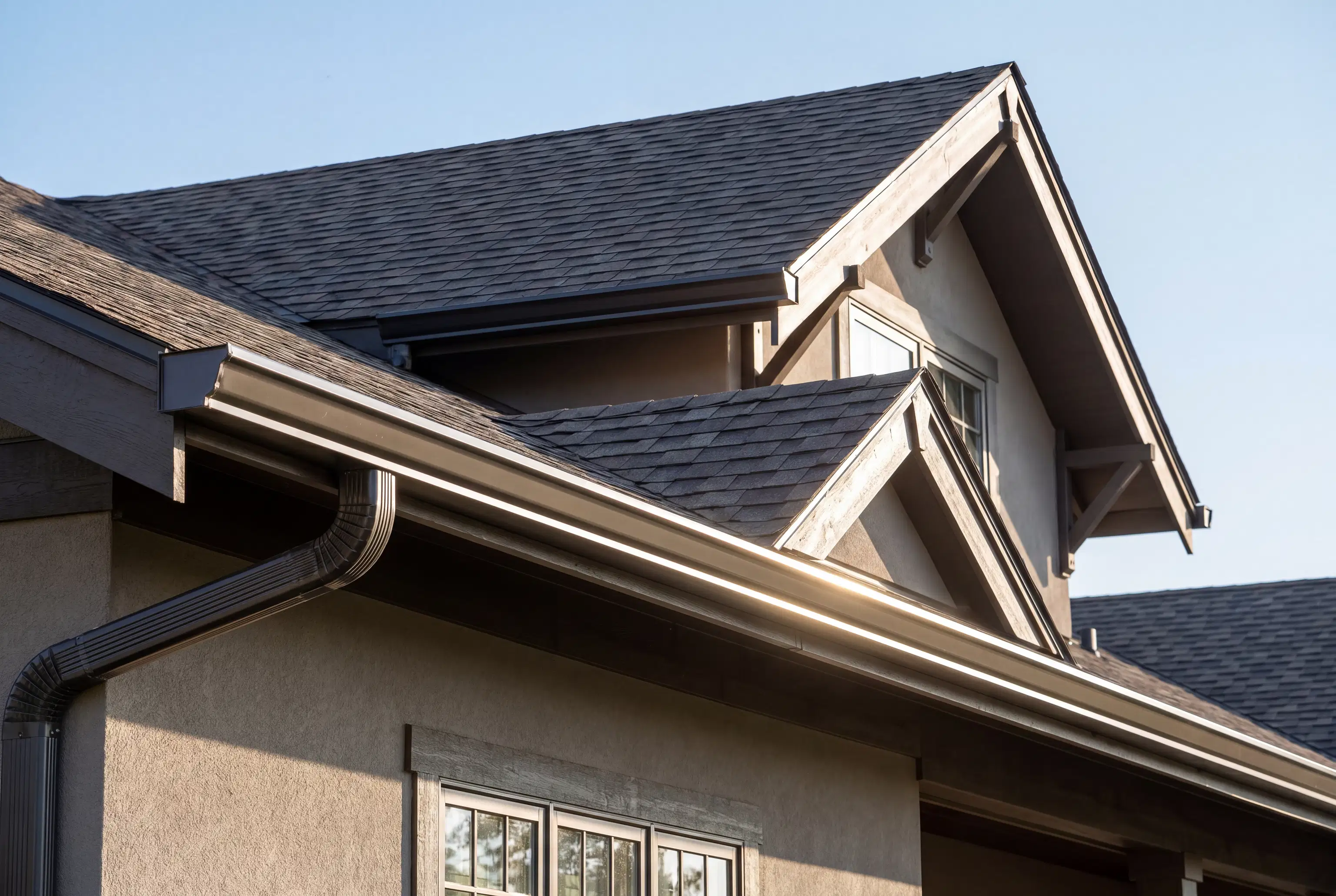
What Are Fascia and Soffits?
Before diving into protection strategies, it helps to know exactly what we are talking about. The fascia is the long, straight board that runs along the lower edge of your roof. It is the architectural element that your gutters are attached to. The soffit is the exposed surface beneath the overhanging section of the roof eave. Together, they seal off the attic space from the outside elements and pests while providing essential ventilation to regulate indoor temperatures.
When homes throughout NEMO face down driving rain and accumulating ice, the fascia and soffit take an absolute beating. For many older homes, especially rural gravel-road properties, wooden soffits and exposed rafters were once the standard. Today, upgrading to modern aluminum or vinyl options can drastically reduce the amount of maintenance required while significantly improving your home's curb appeal. Their primary job is protecting roof eaves from gutter overflow and wind-driven moisture. If they fail, water can easily seep into your attic, soaking your insulation, rotting the underlying wood framing, and eventually compromising your interior ceilings and walls.
Spotting the Signs of Water Damage
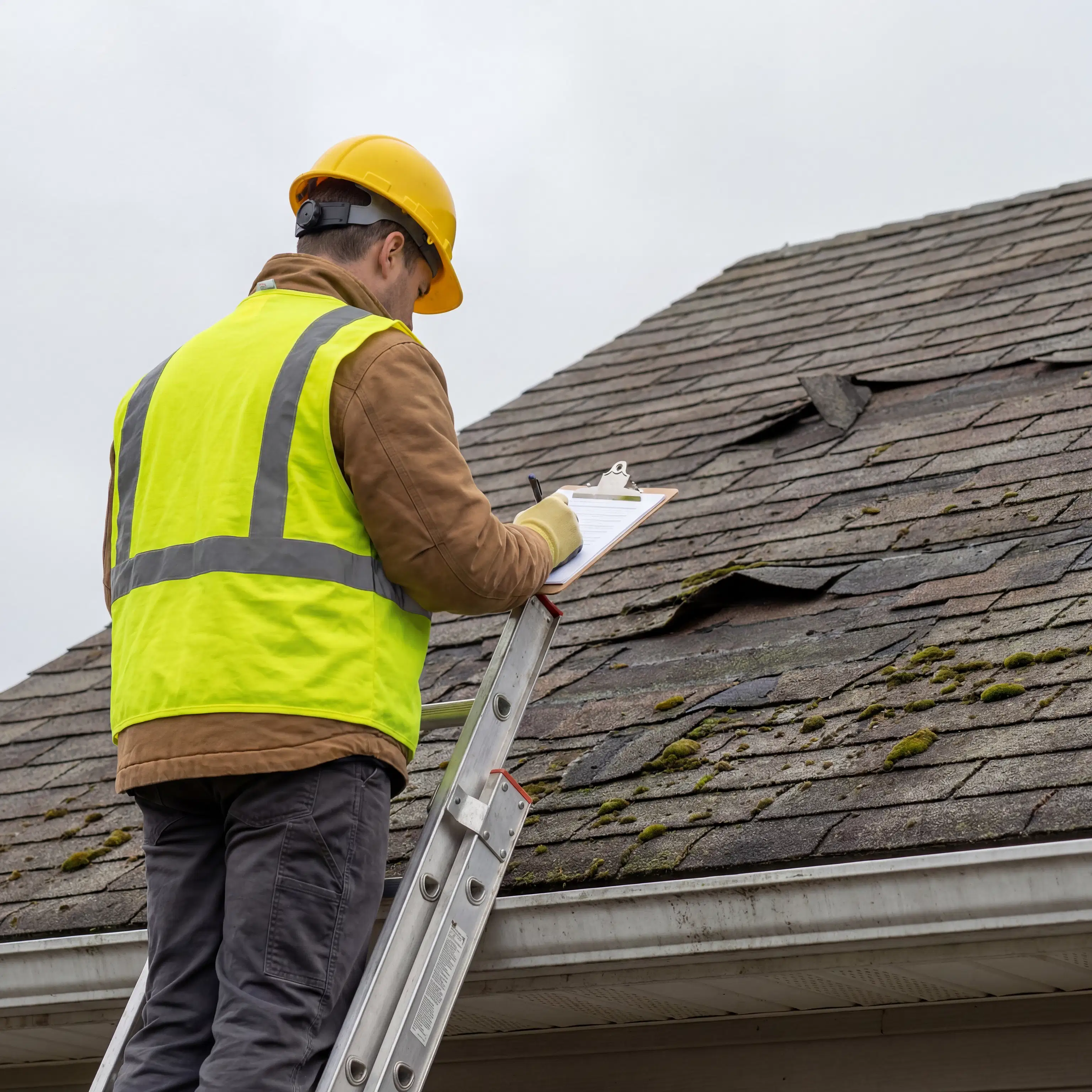
After a severe storm rolls through the Thousand Hills area, many homeowners are understandably anxious and wonder how to identify hail or wind damage on their roofs. While checking your yard for blown-off shingles is a practical first step, you should always take a moment to inspect your roof's edges.
So, what are the signs of water damage behind soffits? First, look for peeling, bubbling, or blistering paint on the underside of your roof overhangs. This is often the very first indicator that moisture is trapped inside the wood. You might also notice yellowish or brownish water stains, sagging aluminum panels, or even patches of dark mold and mildew near the corners of your home. Inside your house, pay attention to a musty smell in the attic or unexplained water marks on your ceiling right where it meets the exterior walls.
If you are worried about hidden moisture, it is always best to call in a professional rather than climbing a ladder yourself. Because we use advanced drone-assisted roof inspections, our team can safely and accurately document these hard-to-see areas in high definition. This detailed documentation is incredibly crucial if you end up needing to file a homeowners insurance claim, as insurance carriers require clear, irrefutable evidence of weather-related impacts before approving a payout.
How to Prevent Rotting Roof Fascia Board
The best way to deal with water damage is to stop it entirely before it starts. Learning how to prevent rotting roof fascia board usually comes down to a combination of proactive maintenance and proper moisture management.
The number one culprit of rotting fascia is a clogged or failing gutter system, particularly when ice dams form during freezing weather. An ice dam occurs when heat escaping from your attic melts the snow on the higher parts of the roof, which then flows down and refreezes at the cold eaves. This heavy, expanding ice backs up under the shingles and tears aggressively at the fascia board. Having a seamless, high-capacity system installed through professional gutter installation and replacement is one of the most effective ways to channel water away from your home's vulnerable edges before it can freeze and cause structural chaos.
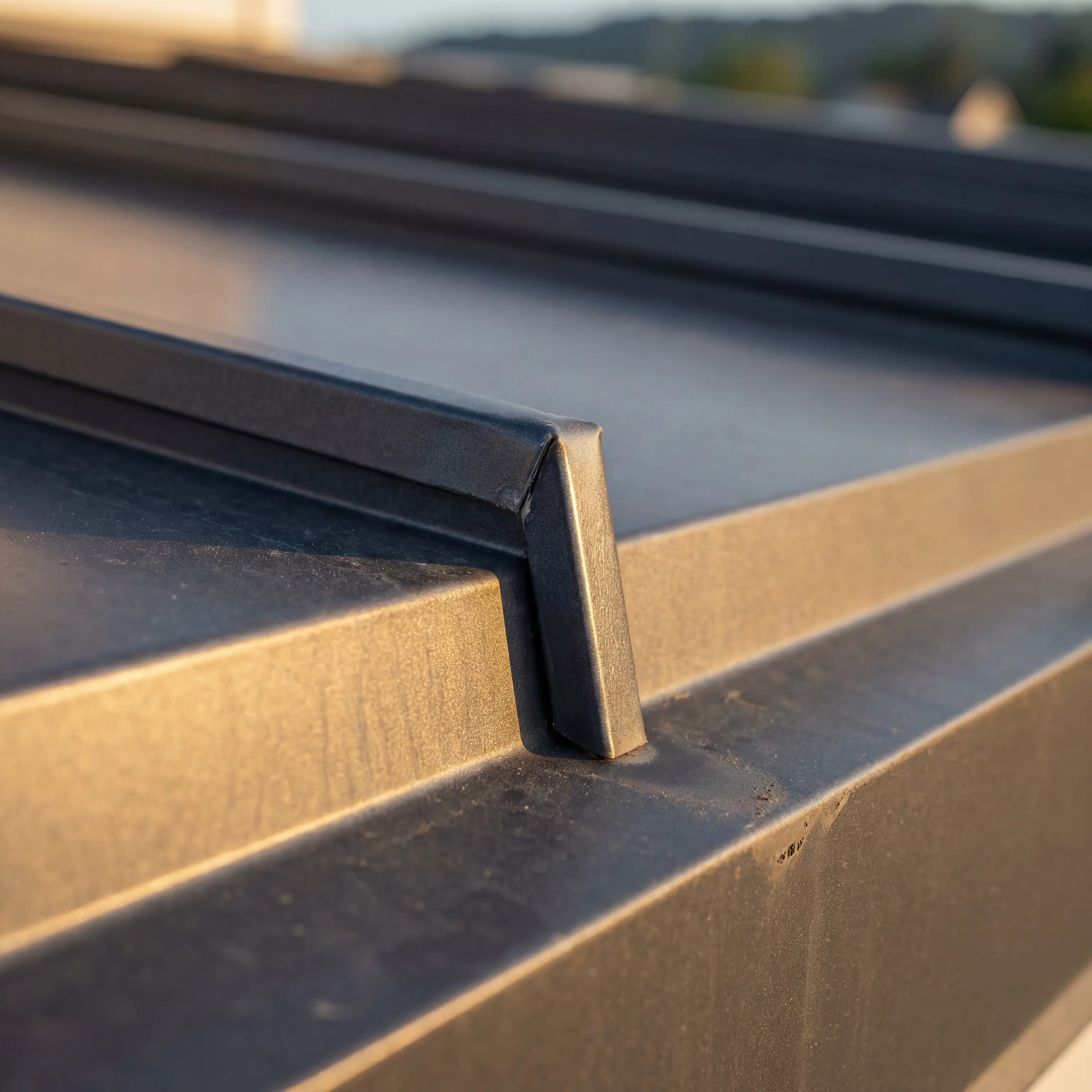
Additionally, making sure your roof has an adequate drip edge installed under the first row of shingles will direct water straight into the gutters, rather than letting it curl backward against the wooden fascia. We highly recommend scheduling off-season inspections. Severe winter weather halts construction, causing major delays when you might need emergency fixes the most. Catching minor issues—like a slightly loose board or a small, isolated leak—before the peak storm season arrives saves you time, money, and a massive amount of stress.
Partnering with a Local Team You Can Trust
When storm damage strikes, out-of-state storm chasers often flood into the area looking to make quick money on fast jobs. But truly protecting your home requires a local partner who understands the specific weather challenges of Adair County and stands proudly by their work long after the storm clouds clear. From navigating confusing insurance claims to offering flexible monthly financing options for larger projects, a reliable local contractor makes all the difference in the world.
If you suspect your roof edges have taken on moisture, or if you simply want to upgrade your home's defenses before the next harsh season hits, we are here to help. At SB Roofing Solutions, we specialize in comprehensive roofing replacement and repair alongside expert gutter installation and replacement. Reach out to us today to contact us and schedule a thorough, honest inspection of your roof's fascia and soffits.